
Table of Contents
Introduction
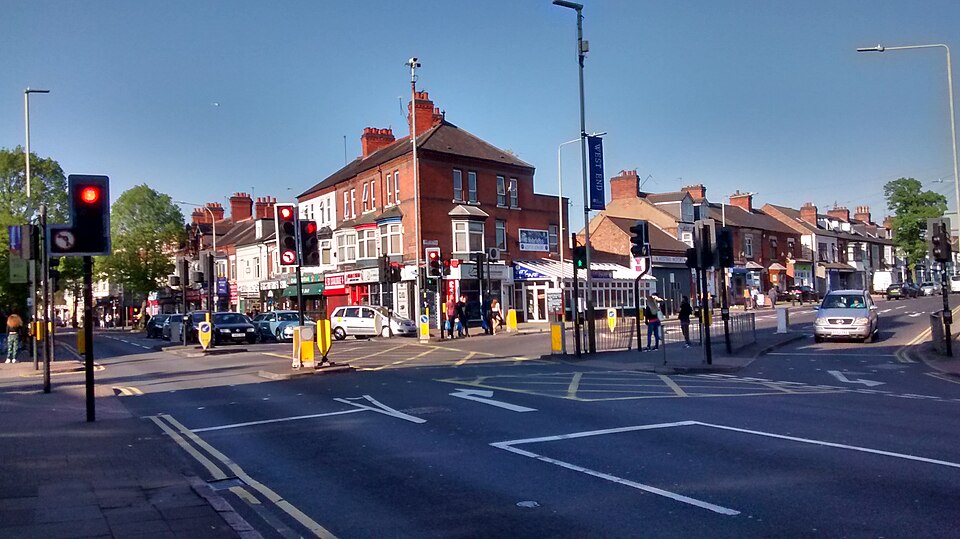
Narborough Road in Leicester is often described as the street where the world lives. It is one of the most linguistically and culturally diverse stretches in Britain — a place where migration, entrepreneurship and community converge into a functioning urban ecosystem. A landmark 2015 study by the London School of Economics classified it as perhaps the most diverse street in the UK. A decade later, its character remains distinctive: an economy powered by microbusinesses, a society sustained by informal cooperation, and a cultural identity shaped by dozens of diasporas.
In an era where Britain’s high streets are collapsing and the national conversation on migration feels increasingly polarised, Narborough Road is more than a local curiosity. It is an economic model — and a reminder that multicultural Britain can thrive when allowed to breathe.
A Living Portrait of Global Britain
Walk the mile-long stretch and you experience a mosaic of global identity in real time. Shop signs appear in English, Arabic, Somali, Romanian, Polish and Turkish. Turkish cafés sit next to Polish delis; Kurdish restaurants face South Asian sweet shops; Iranian grocers share pavements with Caribbean takeaways. Unlike many diverse neighbourhoods that slowly homogenise, Narborough Road has deepened its plurality over time.
Diversity is not a project or a campaign. It is simply the texture of daily life.
The Shopkeepers Who Built a Micro-Economy
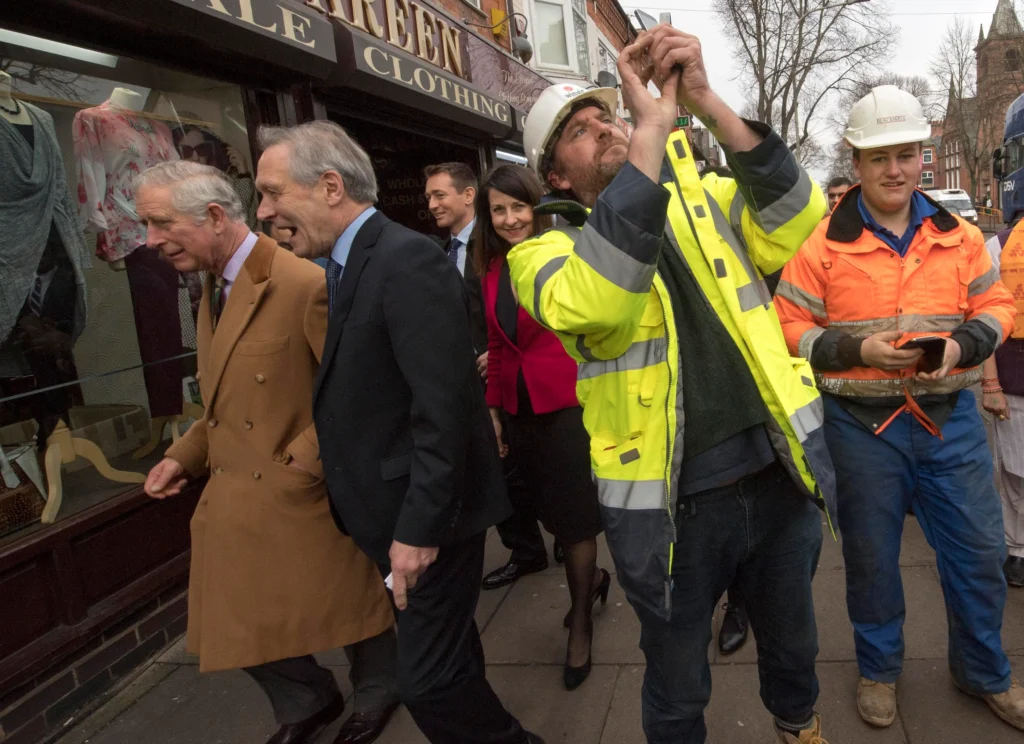
Behind every shopfront is a journey. Some arrived as asylum seekers, some as economic migrants, some as students who never left. Others are second-generation Leicester families maintaining the businesses their parents built decades earlier.
- Indian and Turkish restaurants operate as miniature town squares — quiet social spaces where news circulates.
- Kurdish barbers serve as informal guidance networks for younger men.
- European bakeries keep ovens running through the night so morning commuters can buy fresh bread.
- African tailors and designers blend tradition with contemporary fashion.
- Caribbean and Latin American food stalls add humour, spice and rhythm to the street’s soundscape.
Each business represents work, risk, creativity and survival. Together, they create a neighbourhood economy that is both resilient and remarkably human. At dawn, delivery vans arrive from wholesalers across the Midlands. By mid-morning, grocers have arranged vibrant displays of fruit and vegetables; bakers lift trays from steaming ovens; key-cutting shops swing open their shutters.
At lunchtime, the pavement becomes a corridor of schoolchildren, university students, taxi drivers and office workers. By evening, lights glow in the cafés, supermarkets stay open for late-shift workers and barbers take walk-ins until long after other high streets fall silent. Narborough Road never sleeps — because the people who rely on it never stop moving.
Food, Fashion and Everyday Cultural Life
Here, the world’s cuisines coexist naturally:Turkish Kebabs, Pakistani Samosas, Afghani Pilao, Polish pierogi, Caribbean patties, Indian dosas and curries, Middle Eastern falafel, and British fish and chips.
Fashion tells another story. African fabrics, South Asian bridalwear, Middle Eastern abayas, Eastern European accessories and Western streetwear all feature within a few hundred metres.
Diwali lanterns, Ramadan decorations, Christmas lights and Caribbean independence flags often appear in the same season. Narborough Road becomes an informal cultural calendar, turning global tradition into local reality.
Migration and the Making of a Local Economy
Narborough Road’s success stems from four structural advantages:
- Affordable premises
After Leicester’s industrial shift, many commercial units became accessible to first-generation entrepreneurs. - Existing migrant networks
Early arrivals built pathways that later migrants could follow. - Proximity to universities
De Montfort University and the University of Leicester create a steady flow of students seeking affordable, diverse services. - Leicester’s history of welcome
The city’s long-standing migration story — from South Asian families fleeing East Africa in the 1970s to recent arrivals from the Middle East and Africa — created a civic culture that sees diversity not as threat but as continuity.
While economists measure footfall and turnover, the real glue of Narborough Road is trust. Shopkeepers watch out for one another, lend tools, advise newcomers, translate for customers, warn of trouble, and send shoppers to neighbouring competitors when needed. This soft infrastructure kept the street alive through:
- the pandemic
- the cost of living crisis
- rising bills and inflation
- fluctuating immigration rules
Where other high streets fractured, Narborough Road held together.
A Multilingual Urban Soundscape and Creativity
One of Narborough Road’s most striking features is its linguistic fluidity. Many shopkeepers switch between English, Somali, Urdu, Arabic, Polish and Turkish within the same conversation. Signs often use three or four languages simultaneously.
Here, multilingualism is not unusual — it’s practical.
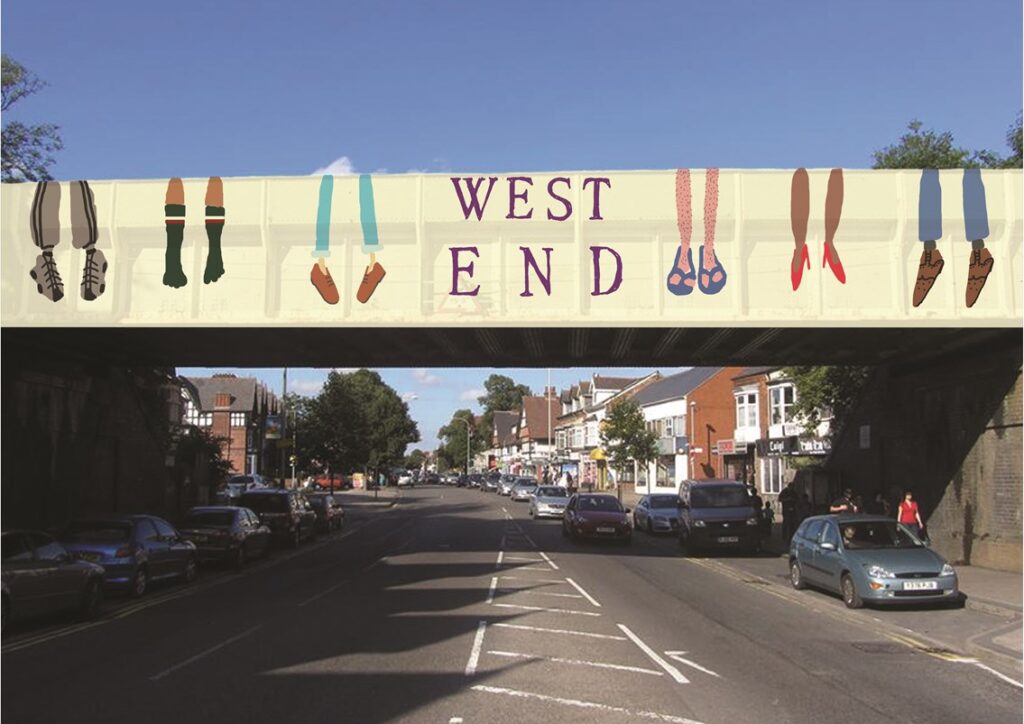
Local artists have transformed shutters, sidewalls and shopfronts into murals celebrating diaspora identity. Bright façades and hand-painted signs give the street an aesthetic that mirrors the lives lived upon it.
How Britain Could Learn from the Narborough Road Model
Narborough Road is not merely interesting — it is instructive. It offers a blueprint for how to revive struggling high streets nationwide.
1. Protect affordable commercial space
High rent is the single greatest barrier facing first-time entrepreneurs. Councils should:
- cap long-term vacancies
- offer rent-to-start schemes
- support community land trusts
- prioritise local traders over speculative redevelopment
2. Treat microbusinesses as economic engines
Independent shops generate resilience, local jobs and cultural identity. Planning frameworks must protect clusters of microbusinesses rather than displace them.
3. Support informal business networks
Local authorities should create multilingual business hubs, advisory centres and cross-community forums — enabling the kinds of cooperation that power Narborough Road.
4. Link universities to high streets
Other cities should incentivise partnerships between local universities and small traders, especially for:
- student internships
- refugee and migrant entrepreneurship schemes
- research-driven business planning
5. Embrace cultural identity as economic strategy
Multilingual signage, cultural festivals, community art and ethnic retail clusters should be seen as strengths, not obstacles.
6. Reframe migration as economic opportunity
Narborough Road proves that migrants are:
- job creators
- innovators
- employers
- community stabilisers
If Britain wants high streets that work, it must recognise the economic value of diversity rather than fear it.
Conclusion
Narborough Road stands as one of Britain’s most compelling urban success stories. It is a street shaped by migration, sustained by enterprise and strengthened by community. New businesses arrive, old ones evolve, and the street continues to adapt — yet its essence endures.
As Britain debates identity, belonging and economic renewal, Narborough Road demonstrates what the future could look like: diverse, resilient, entrepreneurial and proudly interconnected.
This one-mile stretch is not an anomaly. It is a blueprint for the country’s next chapter — if policymakers choose to learn from it.
References
- London School of Economics, Super-Diverse Streets Study (2015).
- Leicester City Council planning records (2024–2025).
- Harborough Mail — Aldi expansion coverage (2025).
- Local reporting on 24-hour convenience store proposal (2024–2025).
- Migration Observatory, University of Oxford — migrant entrepreneurship.