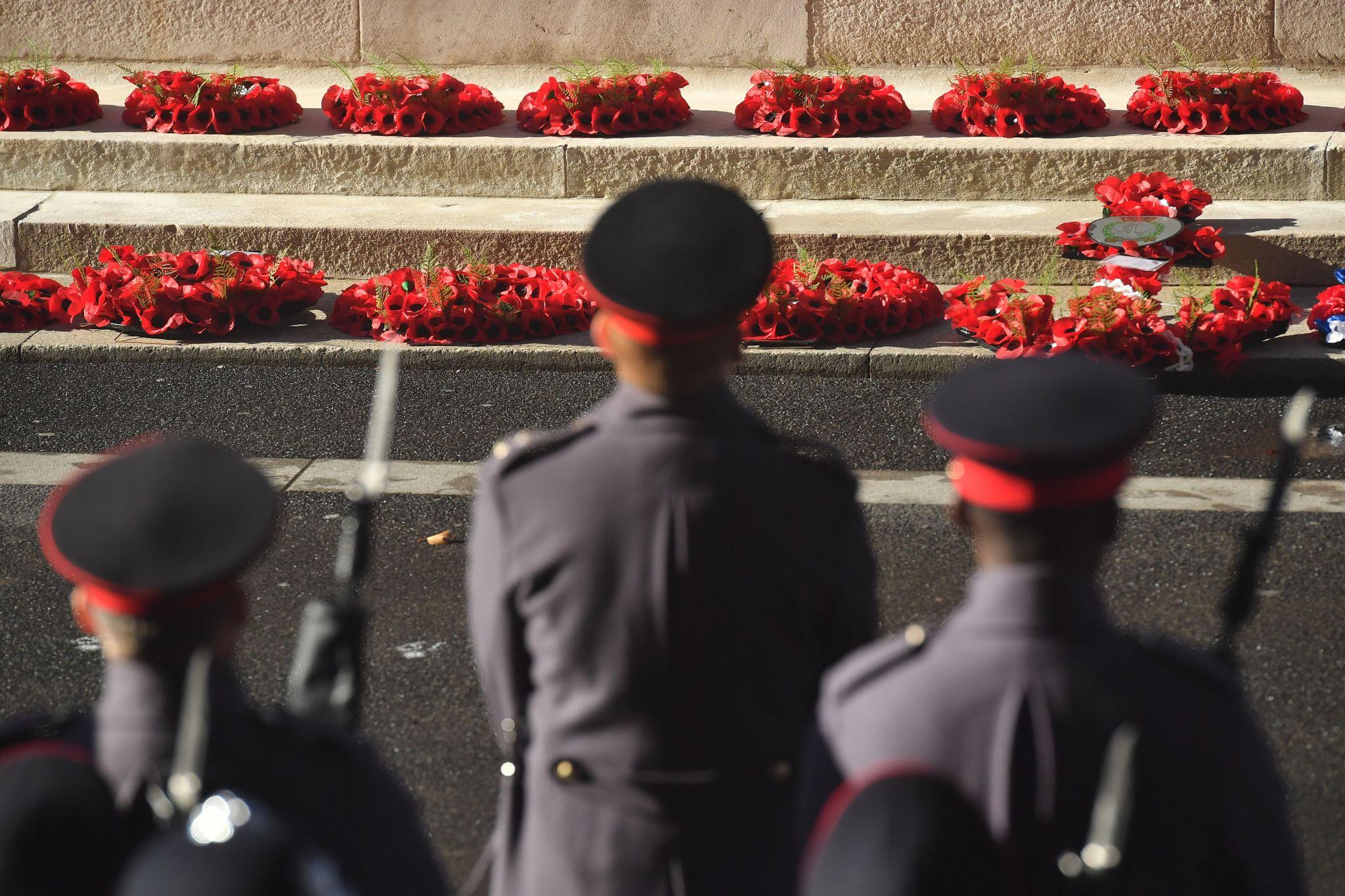

As Britain approaches Remembrance Sunday, the red poppy offers more than an opportunity to honour those who served and died in war. It invites the country to consider what defending peace might demand today. From military readiness and national sacrifice to power cuts, internet blackouts and banking failures, Britain faces an increasingly urgent question: how prepared are we for a serious national emergency?
Table of Contents
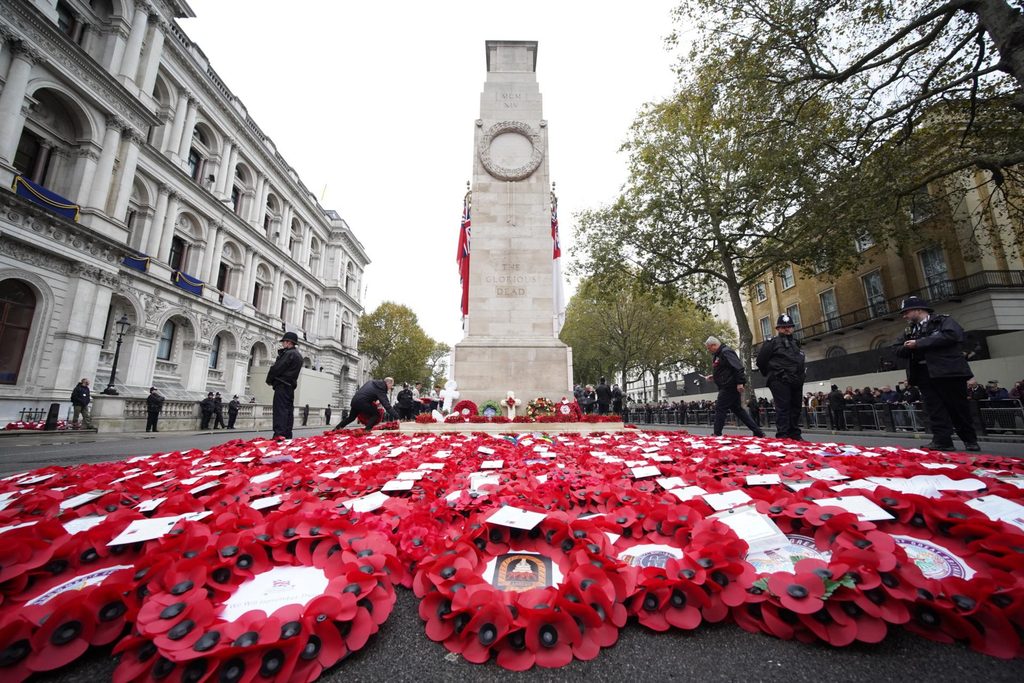
Every November, millions of people across Britain wear the red poppy in remembrance of those who lost their lives in war. At the Cenotaph in Whitehall, across towns and villages, and at memorials throughout the country, the nation pauses to honour the service and sacrifice of generations who faced the consequences of armed conflict.
The poppy is a symbol of remembrance, but it also carries a responsibility towards the living. It reminds Britain that peace has come at an enormous human cost, and that the security enjoyed by one generation cannot automatically be guaranteed to the next.
As Remembrance Sunday approaches on 8 November 2026, that message takes on renewed significance.
Europe is experiencing its most serious conventional conflict in decades. Hostile cyber activity, sabotage, geopolitical instability and the vulnerability of essential infrastructure have raised questions about Britain’s capacity to withstand a major national emergency.
The prospect of war should never be exaggerated. Britain is not facing an inevitable military confrontation. Nevertheless, the changing international environment requires a serious reassessment of national defence, civilian preparedness and the relationship between the Armed Forces and the people they protect.
A future crisis may not begin with a military attack on British soil. It could begin with the loss of electricity, the failure of mobile networks, the interruption of banking services or a cyberattack affecting essential national infrastructure.
For a society dependent upon constant connectivity, electronic payments and reliable utilities, even four days of serious disruption could expose significant weaknesses.
Britain must therefore consider not only how it would defend itself militarily, but how its citizens would cope if the systems supporting everyday life suddenly stopped working.
Remembrance Sunday: Honouring sacrifice while protecting the future
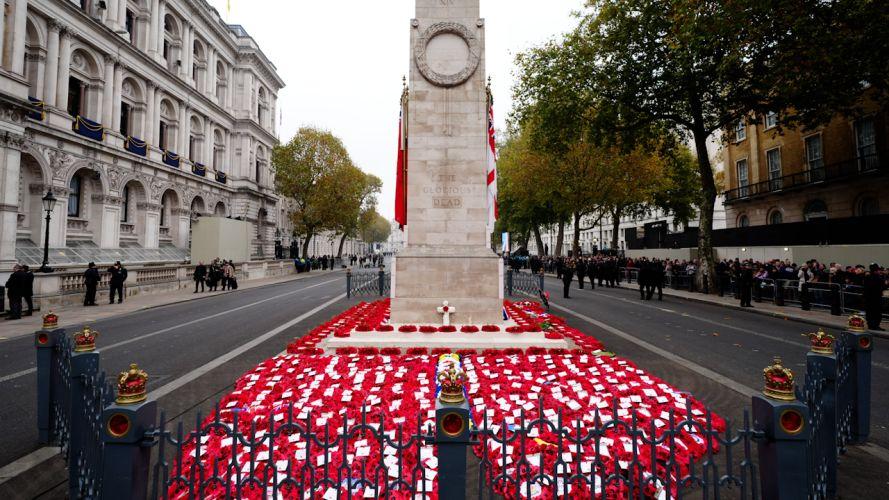
The red poppy became associated with remembrance following the First World War, when the devastation of battlefields across Europe gave rise to a symbol of loss, endurance and hope.
Today, the Royal British Legion’s Poppy Appeal supports serving personnel, veterans and their families, while Remembrance Sunday provides an opportunity for national reflection.
In 2026, Armistice Day falls on Wednesday 11 November, while Remembrance Sunday will be observed on 8 November.
These occasions should encourage more than ceremonial gratitude.
They should prompt serious consideration of the responsibilities owed to those who may be called upon to defend Britain in the future.
Military personnel accept obligations and risks that most civilians will never experience. Their service may involve prolonged separation from family, serious injury, psychological trauma and the possibility of death.
If the country expects its Armed Forces to protect national sovereignty and fulfil international commitments, it must provide the equipment, training, healthcare and political leadership necessary to undertake those responsibilities.
Remembrance also carries a warning against treating warfare as an abstract exercise in strategy. Behind every military operation are individuals, families and communities who may bear its consequences for generations.
Honouring past sacrifice should therefore strengthen both Britain’s commitment to military preparedness and its determination to prevent unnecessary conflict.
The purpose of national defence must ultimately remain the preservation of peace.
A changing world in which Britain’s security cannot be taken for granted
Russia’s full-scale invasion of Ukraine in February 2022 fundamentally altered Europe’s security environment.
The conflict demonstrated that territorial aggression, prolonged conventional warfare and large-scale military mobilisation remain possible on the continent.
It also revealed the importance of ammunition stocks, defence manufacturing, logistics, intelligence and the ability to sustain military operations over time.
Britain’s membership of NATO provides collective security, but it also creates obligations towards allies. A serious attack against a member state could require British military participation in a wider defensive response.
Beyond conventional warfare, the country faces threats involving cyberattacks, hostile intelligence activity, sabotage and interference with critical infrastructure.
Electricity networks, communications systems, financial services, water treatment facilities and transport networks are increasingly interconnected.
This creates efficiency during normal circumstances, but it can also allow disruption in one sector to spread rapidly into others.
A significant power failure, for example, could affect mobile communications, electronic payments, fuel distribution and public transport simultaneously.
The danger is not simply that Britain might face a military confrontation. It is that civilian society may be insufficiently prepared for the disruption accompanying a major crisis.
Why political leaders must explain the sacrifices national defence may require
For decades, defence has competed with domestic priorities such as the NHS, education, housing and public infrastructure.
Those priorities remain essential. However, a deteriorating security environment creates additional demands upon public resources.
The Government’s 2025 Strategic Defence Review set out proposals to strengthen military readiness, modernise the Armed Forces, expand industrial capacity and develop a broader approach to national resilience.
Britain has committed to increasing core defence expenditure to 2.5% of GDP from 2027, with an ambition to reach 3% in the following Parliament, subject to economic conditions.
NATO allies have also agreed to work towards investing 5% of GDP annually in defence and related security requirements by 2035, including 3.5% for core military capabilities and up to 1.5% for wider security and resilience.

These commitments involve significant financial and political choices.
Higher defence expenditure may require taxation, borrowing, economic growth or reductions in other areas of public spending.
The Government must explain those choices honestly and demonstrate that additional investment produces effective military capabilities rather than wasteful procurement programmes.
National sacrifice cannot be demanded without transparency, accountability and democratic consent.
Britain’s emergency preparedness guidance: Why households should plan for four days
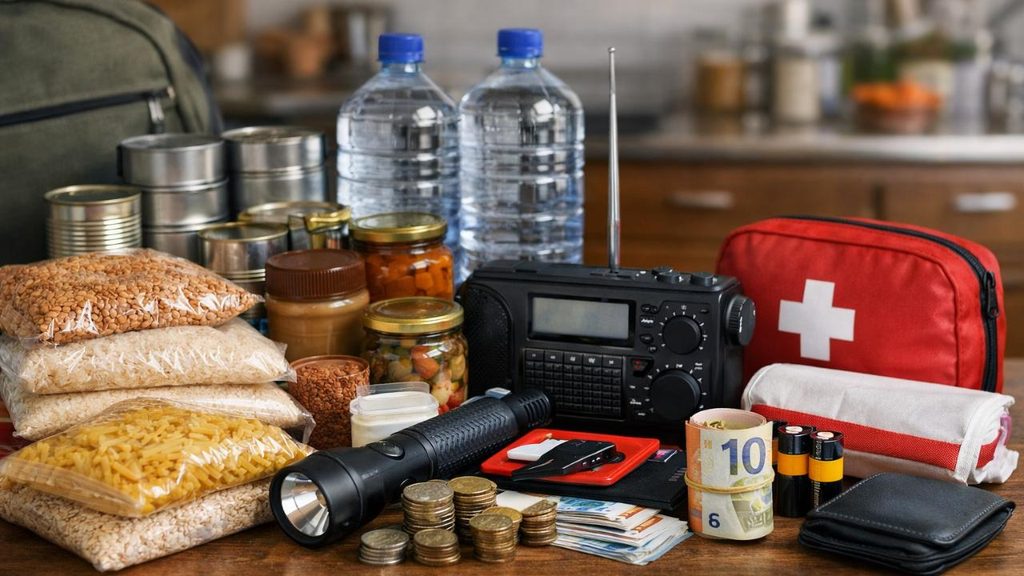
The Government’s Prepare campaign encourages households to consider how they would respond to emergencies such as severe weather, flooding, power failures and interruptions to essential services.
The guidance recommends keeping important supplies available, preparing emergency plans and considering the needs of vulnerable household members.
A four-day reserve offers a practical additional margin of resilience, although it should not be confused with a mandatory government requirement to survive independently for 96 hours.
The distinction is important because different emergencies require different responses. A household affected by a short power cut may need little outside assistance, while someone dependent upon electrically powered medical equipment could require immediate support.
The purpose of emergency preparedness is not to replace public services or transfer responsibility entirely onto citizens. It is to help people manage initial disruption while emergency responders concentrate on the most urgent needs.
The following scenarios demonstrate why even a relatively short national emergency could have significant consequences.
Scenario 1: Britain loses internet access and mobile communications
Imagine waking up one morning to discover that your home broadband connection has stopped working.
Your mobile telephone has no internet access. Messaging applications are unavailable. Emails cannot be sent or received, and online banking applications will not load.
Initially, the disruption might appear temporary.
However, as hours pass, mobile voice calls and text messages could also become unreliable if telecommunications infrastructure is affected by a wider outage or loses backup power.
For many people, this would remove their principal means of obtaining information, contacting relatives and accessing essential services.
Businesses reliant upon cloud-based systems could struggle to operate. Schools, hospitals and local authorities might face additional difficulties if their communications networks were affected.
A communications blackout could also create opportunities for misinformation, particularly where reliable official information becomes difficult to obtain.
Households should therefore retain a battery-operated or wind-up radio capable of receiving national and local broadcasts. Important telephone numbers and emergency contacts should also be recorded on paper rather than stored exclusively in a mobile device.
Families could agree in advance where to meet, how to check on vulnerable relatives and what to do if ordinary communications become unavailable.
A mobile telephone remains useful during partial outages, particularly for emergency calls, but it should not be the only means of communication.
Scenario 2: Banks, cash machines and electronic payments stop working
Britain has become increasingly dependent upon electronic payments.
Many people rarely carry cash, relying instead upon contactless cards, mobile wallets and banking applications for everyday purchases.
Yet electronic payments depend upon functioning telecommunications networks, electricity and financial infrastructure.
A significant cyber incident, payment processing failure or widespread power outage could prevent shops from accepting cards. Cash machines might also become unavailable, either because their networks were disrupted or because they had lost power.
Even where money remained safely deposited in bank accounts, customers could temporarily struggle to access or spend it.
The consequences could be particularly difficult for people who need to purchase food, medicines, fuel or other essentials.
Keeping a modest amount of cash at home, preferably in smaller denominations, is therefore a reasonable precaution.
There is no universal government requirement to keep a particular cash amount. The appropriate reserve depends upon household circumstances, affordability and security.
Cash would not guarantee access to goods during a severe emergency, because shops may close or be unable to operate their tills. Nevertheless, it could provide an additional payment option where businesses remain open and accept physical currency.
The lesson is not to withdraw large sums from banks. It is to avoid depending entirely upon a single payment method.
Scenario 3: A prolonged power cut leaves households without electricity
Electricity is central to almost every aspect of modern British life.
Without it, domestic lighting, refrigerators, broadband routers and many heating systems would stop functioning. Even gas boilers often require electricity for controls, pumps and ignition.
In winter, a prolonged outage could create particular difficulties for elderly residents, young children and people with medical conditions.
Food stored in refrigerators and freezers could become unsafe as temperatures rise. Electric cookers would be unusable, while some water systems might experience interruptions.
The Government acknowledges that widespread power failures, although unlikely, could last several days and potentially affect other essential services.
Households should therefore retain LED torches, spare batteries, warm clothing, blankets and an appropriately rated sleeping bag. A portable power bank may provide limited charging for essential devices.
During a power cut, refrigerators and freezers should be opened as infrequently as possible. Food safety guidance should be followed before consuming refrigerated products after a prolonged outage.
Alternative heating and cooking equipment must be used cautiously. Barbecues, camping stoves and fuel-burning generators should never be operated inside homes, garages or enclosed spaces because of the risk of carbon monoxide poisoning.
Residents should also know how to report electricity failures. In England, Scotland and Wales, the national power cut reporting number is 105.
Preparedness does not require expensive generators or elaborate survival equipment. For most households, simple and affordable supplies can substantially improve safety during the initial stages of an outage.
Scenario 4: Water supplies and food distribution are disrupted
A major interruption to water treatment, pumping infrastructure or distribution networks could affect access to safe drinking water.
Water shortages could also complicate cooking, cleaning and personal hygiene.
The Government’s Prepare guidance recommends planning for drinking water needs and keeping non-perishable food that can be consumed without cooking. It identifies 2.5–3 litres of drinking water per person per day as a survival planning figure, with additional water desirable for cooking and hygiene.
For one adult, four days of drinking water would therefore require approximately 10–12 litres. Households with children, pets or additional medical needs may require considerably more.
Food supplies should prioritise products that can be stored safely at room temperature and eaten without heating.
It is also important to recognise that disruption to supermarkets may arise from transport difficulties, payment failures, supply chain interruptions or electricity outages.
A modest household food reserve reduces dependence upon immediate shopping and avoids the need to make unnecessary journeys during an emergency.
How a four-day national disruption could unfold
The following timeline illustrates a hypothetical emergency involving widespread infrastructure disruption. It is not a prediction or an official assessment of the likelihood of such an event.
- Day 1 — Initial disruption:
Electricity or internet services become unavailable. Mobile networks may experience congestion. Electronic payments could fail in affected areas. Households begin relying upon emergency supplies and alternative information sources. - Day 2 — Pressure on essential services
Refrigerated food becomes a concern, communication devices lose charge and some businesses remain closed. Local authorities and utility providers may establish emergency support arrangements. - Day 3 — Household resilience becomes critical
Food, drinking water, heating and medication needs require careful management. Vulnerable residents may need assistance. Reliable radio broadcasts and local emergency information become particularly valuable. - Day 4 — Recovery or extended contingency
Some services may be restored while others remain disrupted. Households may need to seek official assistance, replenish essential supplies or follow evacuation instructions if conditions become unsafe.
The actual consequences would depend upon the cause, geography, season and duration of the incident. A localised outage and a national infrastructure emergency would require very different responses.
The important lesson is that households should have a plan before disruption occurs, rather than attempting to organise supplies and communication arrangements once services have already failed.
The importance of community resilience
No household can prepare for every emergency, and not every citizen has the financial resources or physical ability to maintain extensive supplies.
National preparedness must therefore involve local communities, emergency services, businesses, charities and public authorities.
People who live alone, elderly residents and those dependent upon medical equipment may be particularly vulnerable during extended outages.
Neighbours can help by checking on one another, sharing reliable information and identifying those who require urgent assistance.
Eligible households should consider registering with their electricity, gas or water provider’s Priority Services Register, which helps suppliers identify customers requiring additional support during interruptions. Registration does not guarantee uninterrupted services or immediate restoration.
Community resilience should complement, not replace, the Government’s responsibility to maintain essential infrastructure and provide effective emergency responses.
Preparing the next generation without creating a culture of fear
Britain’s long-term security also depends upon educating younger generations about civic responsibility, emergency preparedness and democratic institutions.
Schools and colleges can help young people understand how public services operate, why national security matters and how to respond responsibly during emergencies.
Basic first aid, digital literacy, recognising misinformation and understanding emergency warnings are useful skills regardless of whether Britain ever experiences a major security crisis.
Greater awareness of the Armed Forces and voluntary reserve opportunities may also strengthen public understanding of military service.
However, civic education must remain distinct from military propaganda.
The objective should be to develop informed, responsible citizens who understand both the importance of national defence and the democratic principles governing the use of military force.
Supporting those who may be called upon to defend Britain
The responsibilities of the Armed Forces cannot be separated from the obligations of the society they protect.
Military personnel require adequate equipment, training, accommodation, healthcare and support for their families. Veterans deserve access to effective rehabilitation, mental health services and opportunities to build fulfilling civilian lives.
The Royal British Legion’s 2026 Poppy Appeal, launched on 22 October, places particular emphasis on the sacrifices made by military families, including separation, bereavement and the challenges associated with service life.
Public appreciation should therefore extend beyond Remembrance ceremonies.
Supporting military personnel also means ensuring that decisions to deploy them are lawful, strategically justified and subject to democratic scrutiny.
A nation should never ask its Armed Forces to undertake extraordinary risks without demonstrating a comparable commitment to their welfare and the responsibilities of political leadership.
National security must protect British democracy
Periods of crisis can place pressure upon democratic institutions.
Governments may require emergency powers, additional resources or temporary measures to protect public safety. Such actions must remain necessary, proportionate, lawful and subject to appropriate oversight.
Citizens must retain the right to scrutinise defence expenditure, question military decisions and criticise government policy.
National unity does not require unquestioning agreement.
Indeed, the ability to debate difficult national security choices openly is one of the freedoms that Britain’s Armed Forces exist to defend.
The legitimacy of public sacrifice depends upon informed consent, political accountability and confidence that responsibilities are distributed fairly.
Preparing for conflict while working to preserve peace
Military readiness and the pursuit of peace are not opposing objectives.
Credible defence capabilities can discourage aggression, reassure allies and strengthen diplomatic efforts.
Britain’s NATO membership remains central to its security, while cooperation with European partners and international institutions can help reduce the risk of conflict.
Nevertheless, defence policy should never treat warfare as unavoidable.
The purpose of military strength is to protect national sovereignty, deter hostile action and preserve the conditions in which citizens can live safely.
Civilian preparedness serves a similar purpose. A society capable of withstanding disruption is less vulnerable to coercion and better positioned to recover from emergencies.
Conclusion: The poppy reminds Britain what is at stake
As Britain prepares to observe Remembrance Sunday, the red poppy offers a moment to reflect upon both past sacrifice and future responsibility.
Those who served and died in previous conflicts did so in circumstances that transformed the lives of families and communities across the country.
Their experiences remind us that peace is precious, war carries immense human costs and national security should never be taken for granted.
Today, Britain’s challenges are different, but the responsibility to protect the country remains.
That responsibility extends from military readiness and political leadership to resilient infrastructure, prepared households and supportive communities.
Keeping emergency water, food, a radio, a torch and some cash may appear insignificant when compared with the scale of national defence. Yet such precautions represent an important recognition that citizens have a role in protecting themselves and supporting others during disruption.
Britain does not need to live in fear of war. It needs to understand the risks, prepare sensibly and maintain the democratic values that make its security worth defending.
Wearing the poppy honours those who sacrificed for yesterday’s peace. Preparing Britain responsibly is one way of protecting that peace for tomorrow.